
Coffee does more than wake you up. It may also support your mood. Over the past decade, researchers have noticed a steady pattern. People who drink coffee regularly often report fewer depressive symptoms than those who skip it.
That does not mean coffee cures depression. It does not replace therapy or medication. But the connection is real enough that scientists keep digging. And the story is more layered than a simple caffeine boost.
What the Research Really Shows?
Large population studies keep pointing in the same direction. People who drink coffee tend to have a lower risk of depression over time. A major 2016 review that tracked more than 330,000 adults found something striking. Each extra daily cup of coffee was linked to an eight percent drop in depression risk.
Newer data backs this up. A 2023 meta-analysis found a four percent risk reduction for every 240 milliliters of coffee consumed per day. These are not tiny studies. They span years and follow real lives, not lab mice. Still, they only show correlation, not cause.
The amount matters just as much as the habit. The lowest depression risk appears in people who drink about two to three cups a day. Go higher, and the benefit fades.

Shite / Pexels / Some studies show no extra gain after one cup. Others cap the sweet spot at about five cups. The takeaway is that more is not better.
The type of coffee also counts. Ground and brewed coffee shows the strongest link. Decaf does not seem to deliver the same effect. One large UK study found no meaningful mood benefit from decaffeinated coffee. Caffeine appears to play a central role.
Why Coffee Might Affect Mood?
Caffeine works by blocking adenosine, a brain chemical that slows you down. Adenosine builds up as the day goes on and makes you feel tired. When caffeine blocks it, your brain feels more alert. That alone can ease the heavy fatigue tied to depression.
But the effect does not stop there. Blocking adenosine also nudges other brain chemicals into action. Dopamine and serotonin activity both increase. These are the same systems targeted by many antidepressants. That overlap helps explain why coffee can feel like a mild mood lift for some people.
Coffee also contains antioxidants and anti-inflammatory compounds. Chronic inflammation has been linked to depression in some research. Coffee may help calm that response in the body. It is not a magic fix, but it adds another piece to the puzzle.
It is Still Not a Safe Haven, Though
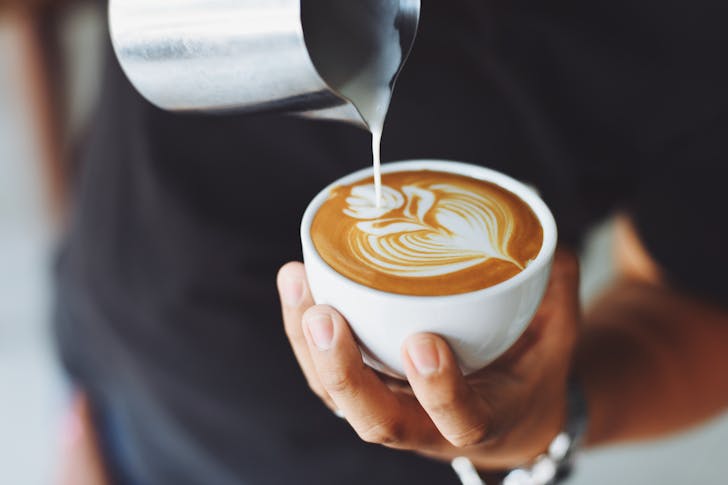
Chevanon / Pexels / Bear in mind that most of the evidence comes from observational studies. That means researchers observe habits but do not control them.
Coffee drinkers may share other traits that protect mental health, like social routines or higher activity levels.
Caffeine can also backfire. High doses raise anxiety, tension, and restlessness. For people already prone to anxiety or panic, coffee can worsen symptoms fast. Sleep disruption is another issue. Poor sleep is both a symptom and a trigger for depression.
Then there is the treatment angle. New research points to a real paradox. Some fast-acting depression treatments rely on adenosine activity to work. Ketamine and electroconvulsive therapy both seem to trigger adenosine surges in the brain. Caffeine blocks that pathway.
That means drinking coffee before these treatments could reduce their impact. Some experts now suggest avoiding caffeine for at least 24 hours before sessions.
Caffeine also interacts with medications. The antidepressant fluvoxamine slows caffeine breakdown. That can lead to stronger side effects like jitters and insomnia. Other antidepressants interact in different ways. It depends on the drug and the dose.
Remember, moderation is the safest rule. Two to three cups a day shows the most benefit with the least risk. That range keeps caffeine levels steady without overwhelming your system. If one cup already makes you wired, that is your signal to stop there.